Diagnosing Common Garden Problems: Overwatering, Underwatering, or Bad Soil?
BEGINNER GARDENERGARDENING ISSUES
12/13/20251 min read
Overwatering: When “Too Much Love” Is the Problem
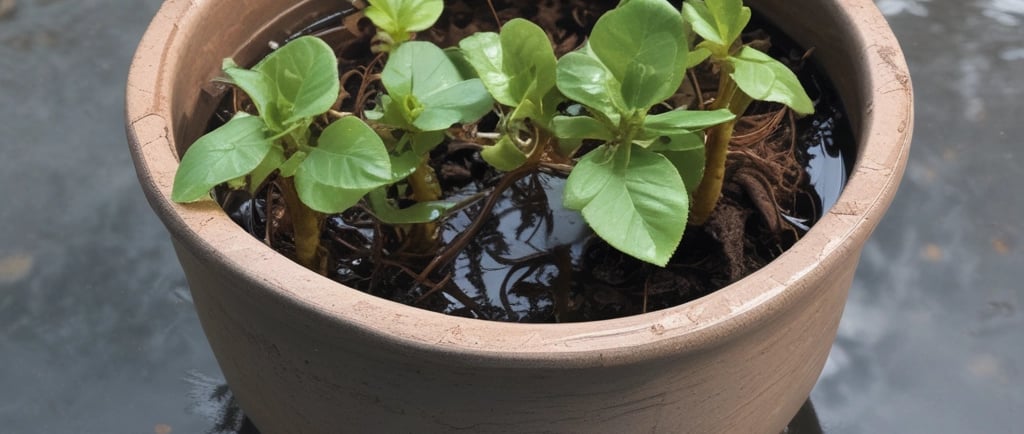
Overwatering is one of the most common beginner gardening mistakes. More water does not equal healthier plants.
Signs of overwatering include:
Yellow or pale leaves
Wilting even though the soil is wet
Mushy stems or a droopy, sad look
Water pooling at the bottom of pots
What’s really happening:
Roots need oxygen. When soil stays soggy, roots suffocate and rot.
Quick fixes:
Check that pots and garden beds drain properly
Let the top inch of soil dry out before watering again
Water less often, but more intentionally
If the soil feels like a wet sponge days after watering, you’ve found the culprit.
Underwatering: When Plants Are Basically Thirst-Trapped
Underwatering is just as common, especially for busy parents who forget watering day (it happens).
Signs of underwatering:
Dry, crispy, or curling leaves
Slow or stunted growth
Soil pulling away from the edges of the pot
Plants that perk up immediately after watering
How to check quickly:
Stick your finger into the soil about an inch deep.
Dry? Water.
Damp? Walk away.
Fix it fast:
Water deeply so moisture reaches the roots
Avoid shallow, frequent sprinkling
Bad Soil: The Hidden Problem No One Talks About
Sometimes it’s not the water, it’s the soil.
Bad soil signs:
Water sits on top instead of soaking in
Soil feels rock-hard or dusty
Plants struggle no matter what you do
Why it matters:
Poor soil messes with drainage and nutrient absorption, making overwatering and underwatering more likely.
Improve soil easily:
Add compost or organic matter
Loosen compacted soil
Use quality garden soil for containers
Healthy soil = fewer problems, less guesswork.
Final Takeaway: Balance Beats Perfection
You don’t need a green thumb, just a little observation.
Watch your plants. Check your soil. Adjust as needed.
Gardening success isn’t about doing more.
It’s about doing the right thing at the right time, and not panicking when a leaf turns yellow.
Your plants are resilient. You’ve got this.
Contact:
valeriegardensinfo@gmail.com
Don’t Miss What’s Growing Next 🌱
Our newsletter delivers timely tips, seasonal playbooks, practical recipes, and no-nonsense advice straight to your inbox. No fluff. No spam. Just high-value insights you can actually use.
Disclosure: As an Amazon Associate/Influencer, I earn from qualifying purchases.